Vietnam and South Korea Deepen Automotive Supply Chain Ties: Moving Beyond Assembly Toward Self-Reliance
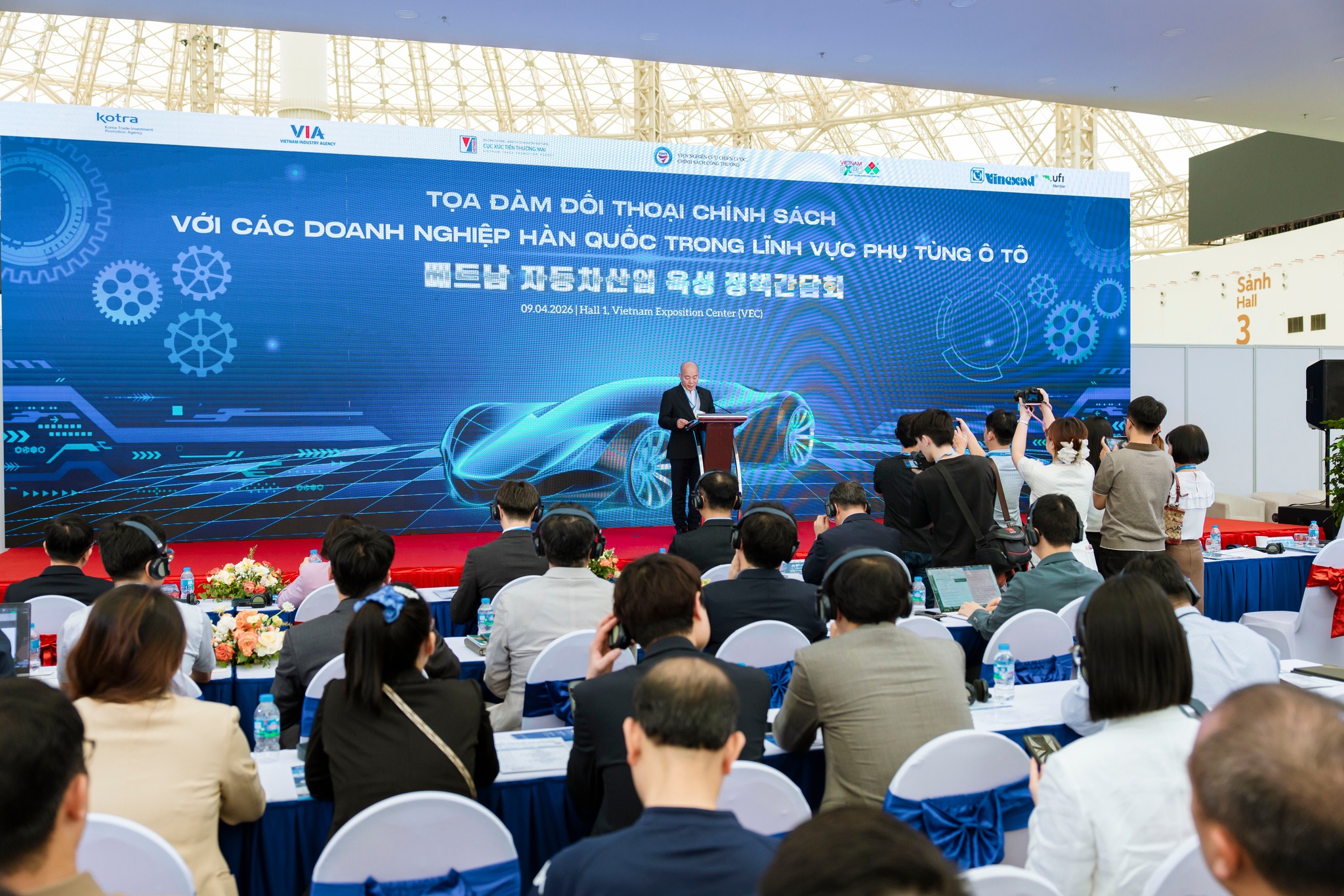
HANOI — Within the framework of the 35th Vietnam International Trade Fair (Vietnam Expo 2026), a Policy Dialogue with South Korean enterprises in the auto parts sector was held on the afternoon of April 9.
The event was co-organized by the Vietnam Trade Promotion Agency (VIETRADE), the Vietnam Industry Agency, and the Institute of Industrial and Trade Strategy and Policy (under the Ministry of Industry and Trade), in collaboration with the Korea Trade-Investment Promotion Agency (KOTRA) and VINEXAD. The dialogue was conducted in a hybrid format, featuring both in-person and virtual participation.
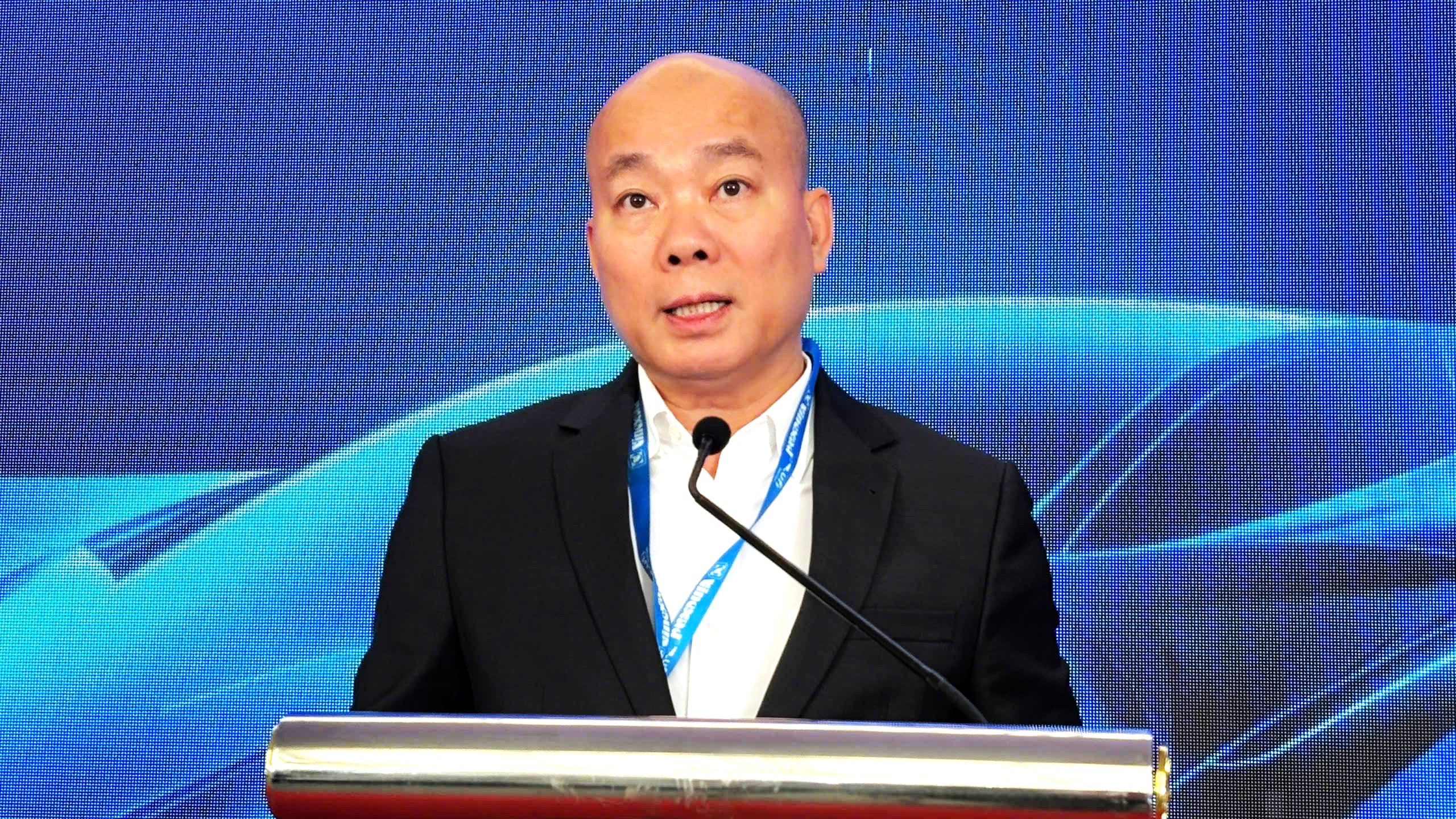
Vu Ba Phu, Director General of the Vietnam Trade Promotion Agency (VIETRADE), noted that South Korea remains Vietnam’s top investor, with cumulative registered capital exceeding $95.2 billion, or approximately 18% of the country’s total FDI.
In the first two months of 2026 alone, South Korea led all investors with nearly $2 billion in new capital, accounting for 32.7% of the total. This trend underlines the prominent role and steady expansion of South Korean enterprises in Vietnam. Notably, the processing and manufacturing sector continues to dominate, attracting over 73% of South Korean investment.
Through these projects, South Korean firms have significantly bolstered local production capacity for components and spare parts, while facilitating technology transfer and elevating management and quality standards. These contributions have fostered the growth of industrial clusters and supporting industry ecosystems in key hubs, including Bac Ninh, Thai Nguyen, Hai Phong, Hung Yen, and Ho Chi Minh City.
“The involvement of South Korean enterprises not only brings in manufacturing resources but also drives technology transfer and enhances governance capabilities for Vietnamese firms,” Mr. Phu emphasized.
However, the Director General also highlighted several bottlenecks facing Vietnam’s auto parts industry. Key challenges include a low localization rate, modest technological capacity, and limited participation in global supply chains. Furthermore, the level of industrial linkage and cooperation between domestic firms and South Korean FDI partners has yet to reach its full potential.
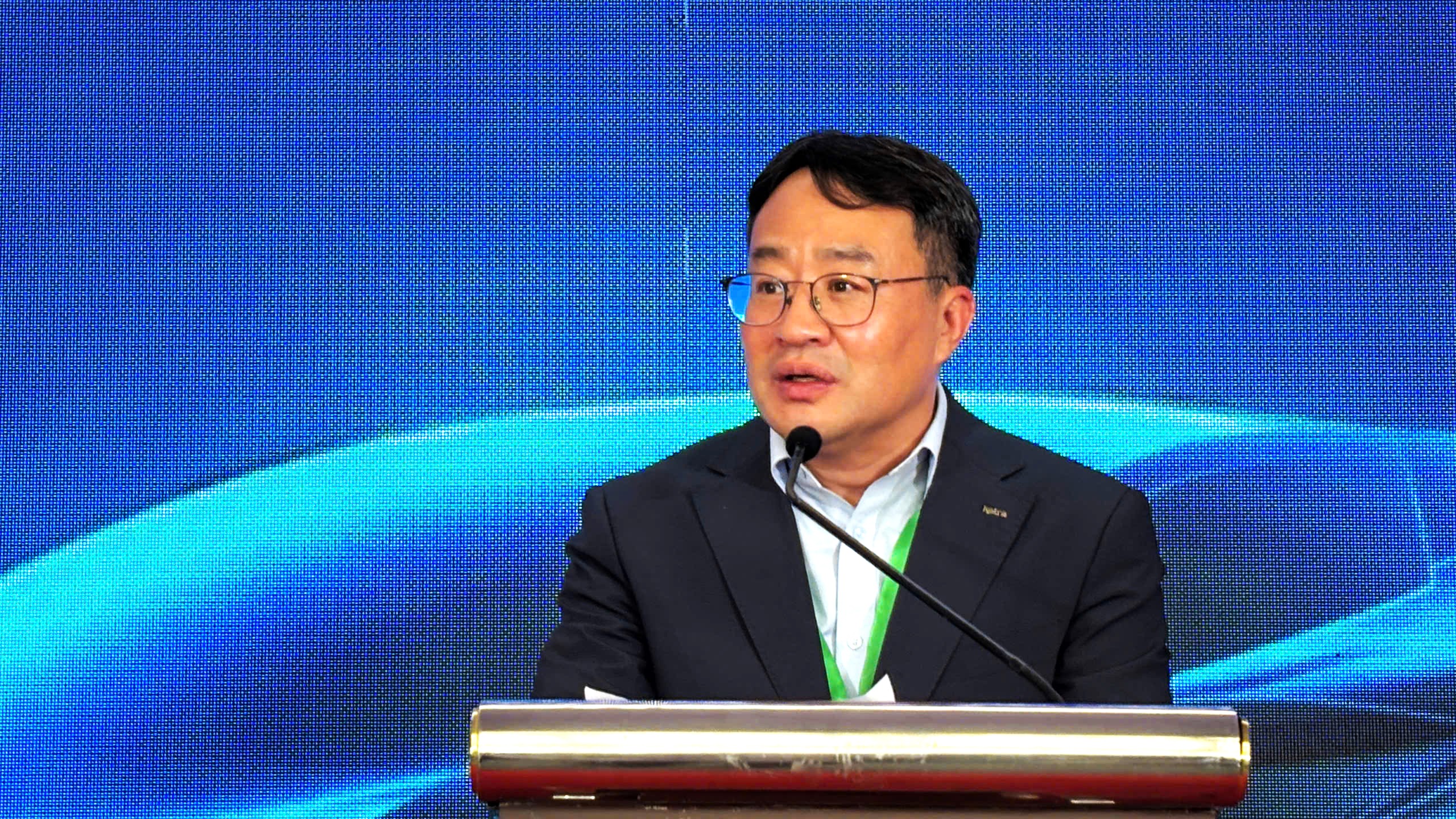
From a market perspective, Mr. Koo Bon-kyung, KOTRA’s Chief Representative for Southeast Asia and Oceania, assessed that Vietnam is emerging as a potential destination for the regional automotive industry, as consumer demand grows steadily and total market sales recorded an increase of over 10% in 2025. The production expansion of major brands such as Hyundai, Kia, and Toyota, together with the participation of domestic enterprises like VinFast, is creating a foundation for Vietnam to gradually shape its role in the regional production chain. However, he also noted that this advantage would be difficult to sustain if the domestic supply chain is not soon completed. “A manufacturing ecosystem is only truly sustainable when there is close linkage from raw materials and components to finished products,” he stated.
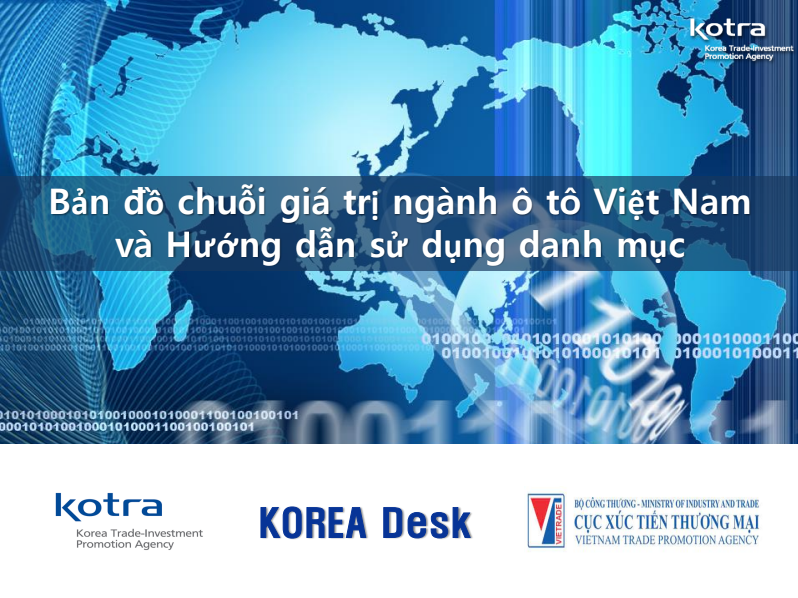
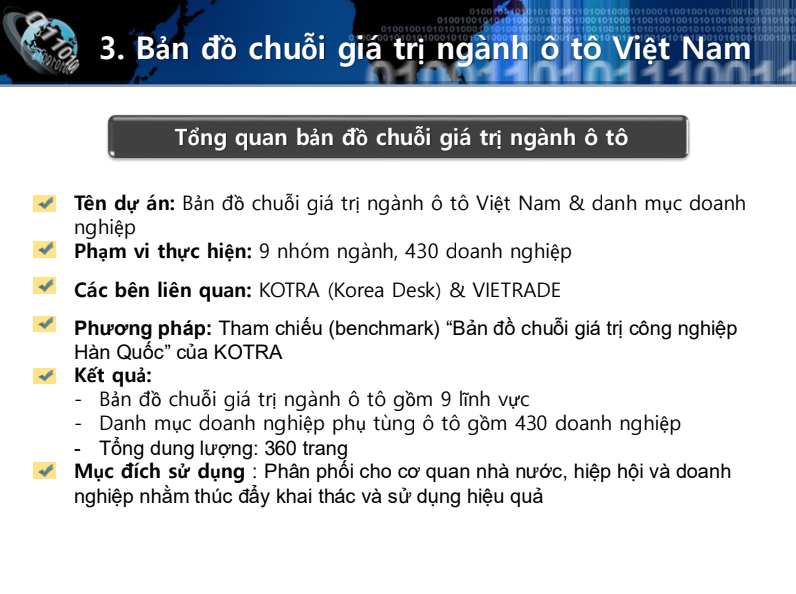
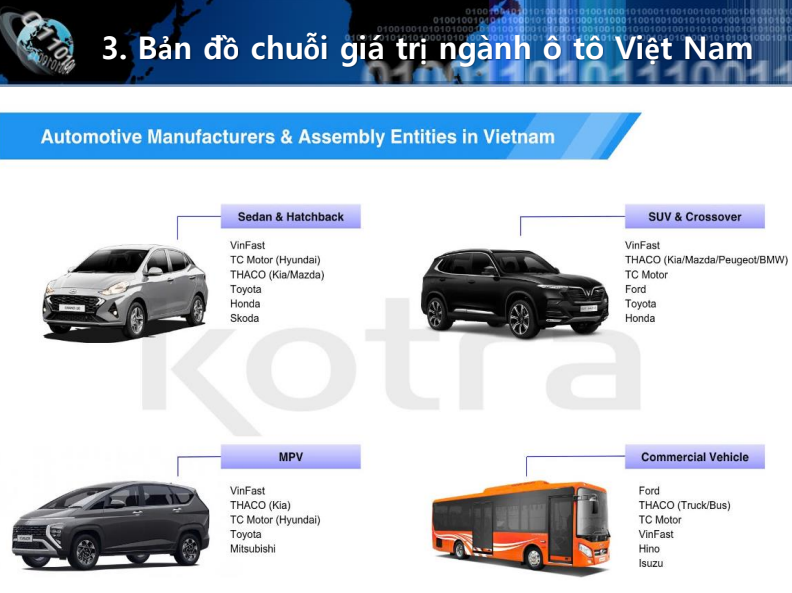
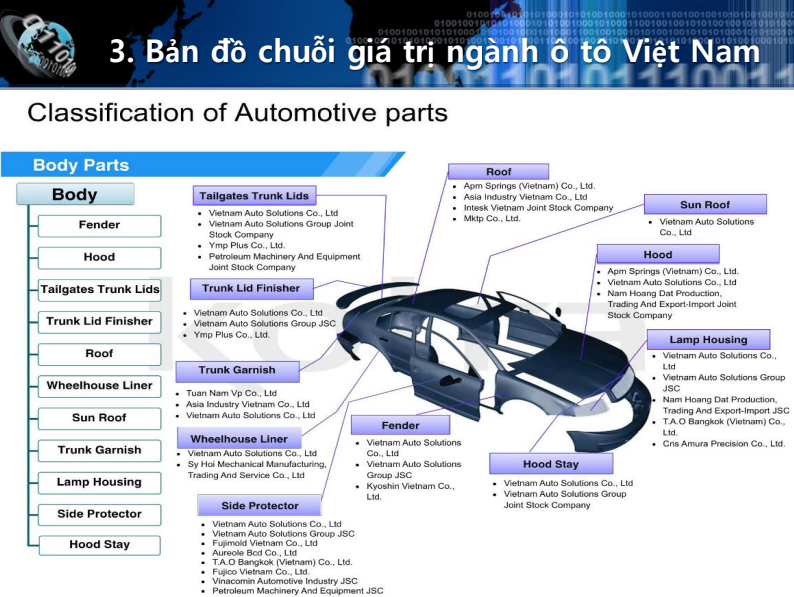
A significant highlight within the framework of the main event was the announcement of the Automotive Parts Value Chain Map. A practical collaborative initiative between KOTRA, VIETRADE, and the Vietnam Industry Agency, the project provides a comprehensive overview of the supply chain structure while clarifying the specific roles and levels of participation of enterprises at each stage of the value chain. By doing so, the project assists regulatory bodies and the business community in better identifying bottlenecks and gaps that need to be addressed. This, in turn, helps guide solutions to promote connectivity, enhance corporate capacity and product quality, and strengthen the effective participation of Vietnamese and South Korean enterprises in the automotive production and supply chain.
Visuals from the Vietnam Automotive Value Chain Map. (Source: KOTRA – Korea Trade-Investment Promotion Agency)
As such, building a sustainable industrial value chain that moves beyond the mere assembly stage by covering everything from raw materials to finished vehicles will be the vital key to enhancing the global competitiveness of the Vietnamese automotive industry. Based on expert assessments, South Korea is currently one of the largest foreign investors in Vietnam, especially in the manufacturing and supporting industries.
In the context of the global automotive industry shifting strongly toward greening, electrification, and smart technology, enhancing production capacity, promoting supply chain links, and attracting high-quality investment have become urgent requirements. Therefore, this serves as an update on the directions and policies for developing the supporting industry and auto parts while promoting connectivity and strengthening links between Vietnamese and South Korean enterprises within the supply chain. On the other hand, there is an encouragement for investment in research, development, technological innovation, and knowledge transfer, alongside the development of high-quality human resources to meet the industry’s requirements in the new era.
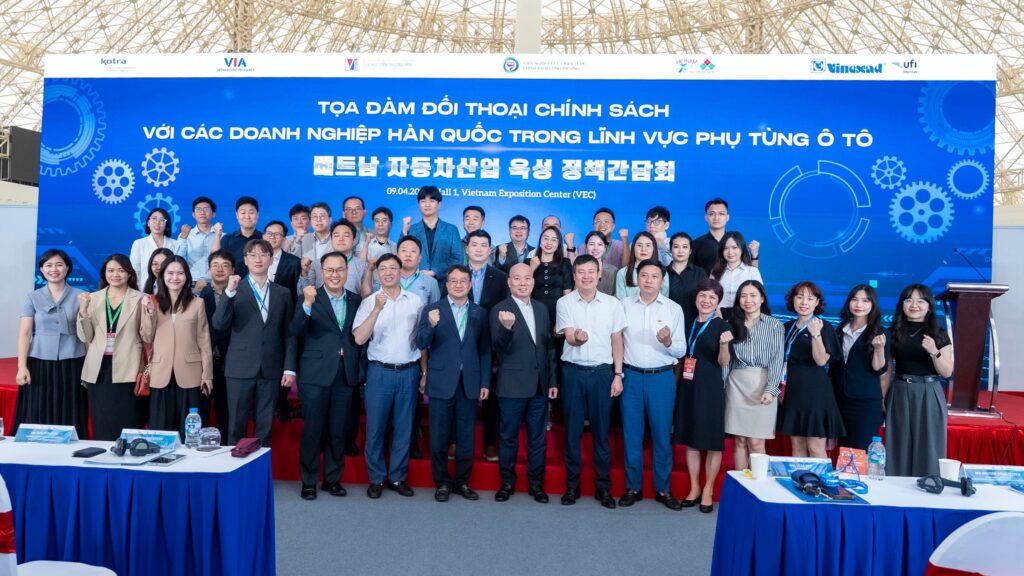
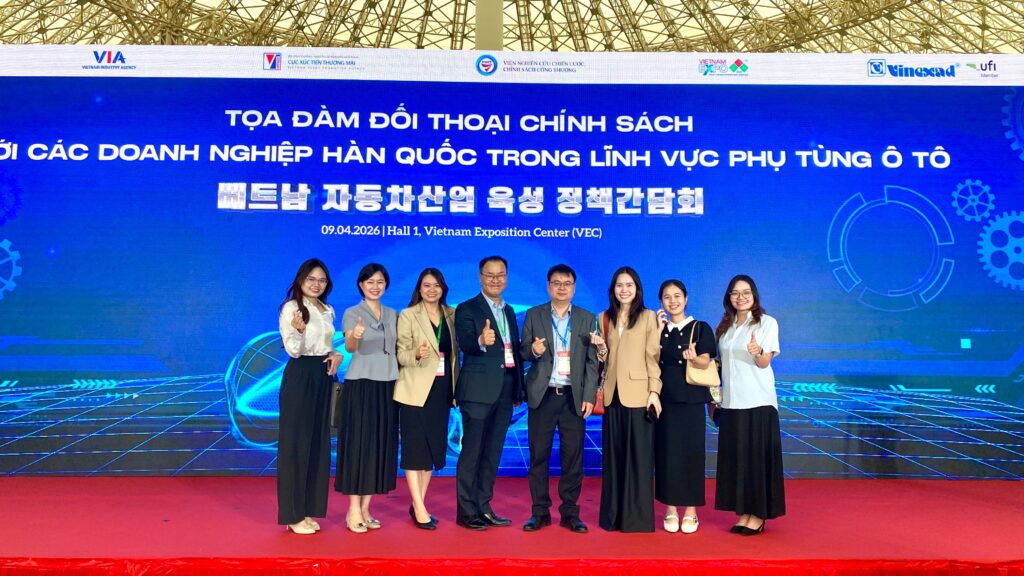
Ms. Nguyen Thi Xuyen, Director of AVA Global Company, and other delegates pose for a commemorative photo at the Policy Dialogue with South Korean enterprises in the auto parts sector.
Concluding the seminar, delegates from both sides expressed their expectations that cooperation between Vietnam and South Korea in the automotive sector is entering a new phase, which no longer stops at production expansion but aims toward building a deep value chain. By effectively leveraging capital flows, technology, and management expertise from South Korean partners while simultaneously enhancing the capacity of domestic enterprises, Vietnam has the opportunity to become a vital link in the regional automotive production network in the coming years. Furthermore, businesses shared their experiences and highlighted difficulties as well as obstacles encountered during the investment and business process, thereby proposing solutions to refine mechanisms, policies, and the investment environment toward greater transparency, stability, and favorability./.